Introduction: Why Property Security Matters in Dhaka
Understanding why property security matters in Dhaka is essential for anyone who owns, rents, or manages property in Bangladesh’s bustling capital. As the city experiences rapid urbanization, economic growth, and increasing property values, the importance of comprehensive security measures has never been more critical. Property security goes beyond simple theft prevention—it encompasses the safety of residents, protection of assets, peace of mind, and the overall quality of life in an urban environment.
Dhaka’s unique urban landscape presents specific security challenges. The city’s high population density, mixed-use neighborhoods, varied economic zones, and diverse residential areas create a complex security environment that requires thoughtful, multi-layered approaches. Property owners and residents must navigate concerns ranging from opportunistic theft and break-ins to more sophisticated security threats, all while balancing accessibility, convenience, and privacy.
The consequences of inadequate property security extend beyond financial losses. Security breaches can cause emotional trauma, disrupt daily life, damage community trust, and decrease property values. Conversely, well-secured properties provide residents with confidence, contribute to neighborhood stability, attract quality tenants, and maintain or increase property values over time. In a city where the real estate market continues to expand and diversify, property security has become a fundamental consideration in residential and commercial decision-making.
This comprehensive guide explores how to ensure you have the best property security in Dhaka by examining practical strategies, technological solutions, community approaches, and maintenance practices. Whether you’re securing an apartment, independent house, commercial property, or multi-unit building, these insights will help you develop robust security frameworks tailored to Dhaka’s specific context.
Understand Security Risks in Dhaka
To effectively understand security risks in Dhaka, property owners must recognize both general urban threats and location-specific vulnerabilities. Dhaka’s security landscape includes various risk factors that require careful assessment and strategic planning.
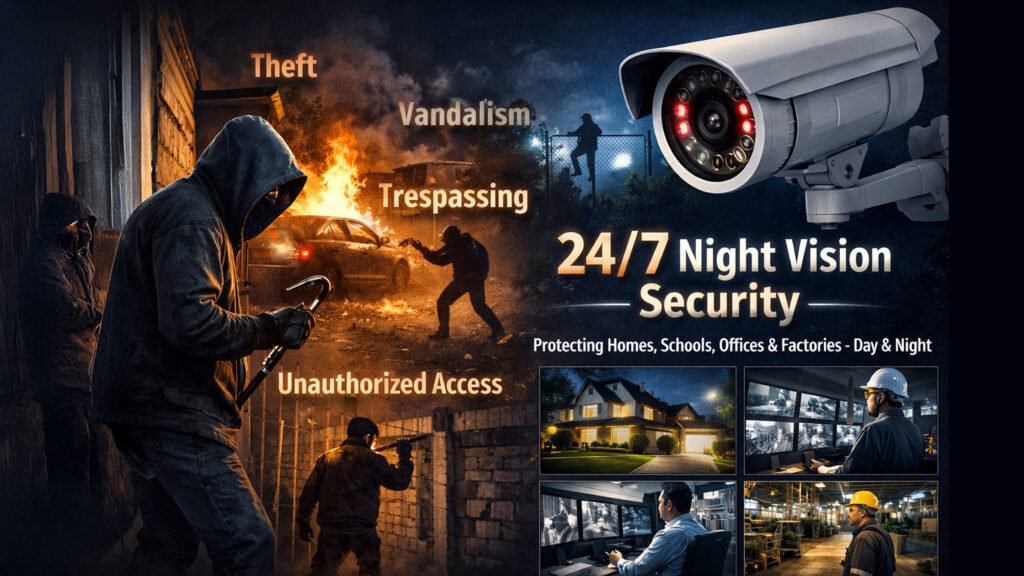
Common property-related crimes in Dhaka include burglary and break-ins, particularly targeting unoccupied properties or homes with visible security gaps. Opportunistic theft remains prevalent, especially in areas with inconsistent security presence or inadequate physical barriers. Apartment buildings may face risks from unauthorized access through service areas, rooftops, or poorly monitored common spaces. Ground-floor properties and those with easily accessible windows or balconies face heightened vulnerability.
Geographic and neighborhood variations significantly impact security risks. Older, densely populated areas like Old Dhaka present different challenges compared to planned neighborhoods such as Gulshan, Banani, or Uttara. Mixed-use areas combining residential and commercial properties may experience higher foot traffic and varied security requirements. Properties near busy markets, transport hubs, or construction zones might face increased exposure to security incidents.
Time-based risk patterns show that certain periods present elevated security concerns. Evening hours, weekends, and holiday periods when properties may be unoccupied require special attention. The monsoon season can create visibility issues and access challenges that affect security effectiveness. Festival periods, when many residents travel, historically see increased property crime as perpetrators exploit temporary vacancies.
Emerging security challenges include increasingly sophisticated methods such as social engineering to gain access, cybersecurity threats targeting smart home systems, and coordinated efforts by organized groups. Understanding these evolving threats helps property owners stay ahead of security challenges rather than merely reacting to incidents.
Property owners should conduct thorough risk assessments considering their specific location, property type, occupancy patterns, and asset values. Consulting with local law enforcement, security professionals, and neighbors provides valuable insights into area-specific risks. This understanding forms the foundation for implementing appropriate, proportionate security measures that address actual threats rather than perceived or generalized concerns.

Choose Secure Neighborhoods and Buildings
The decision to choose secure neighborhoods and buildings represents perhaps the most fundamental security choice, as location significantly influences the baseline security environment. While security enhancements can improve any property, starting with an inherently secure location provides substantial advantages.
Neighborhood security indicators include visible police presence, well-maintained public infrastructure, active community organizations, and low crime statistics. Research historical crime data for specific areas through local police stations or community resources. Neighborhoods with established residents, stable property values, and active neighborhood watch programs typically demonstrate stronger security cultures. Well-lit streets, maintained roads, and clear property boundaries contribute to overall area security.
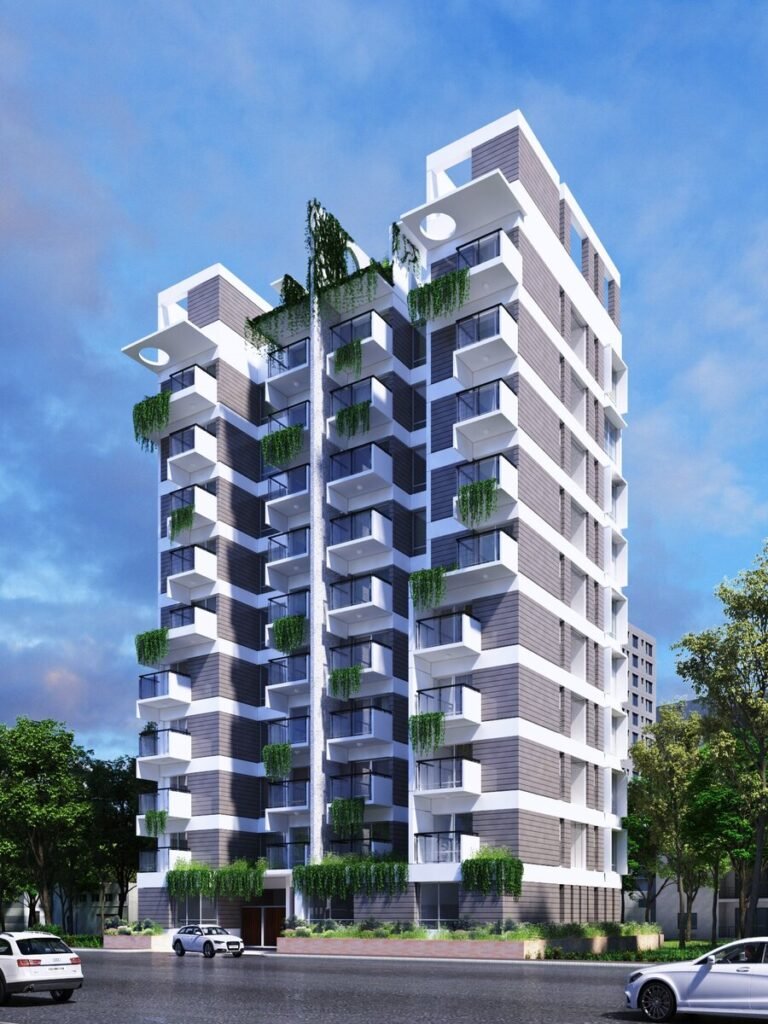
Building security features vary significantly across Dhaka’s diverse housing stock. Modern apartment complexes often incorporate dedicated security personnel, controlled access points, CCTV coverage of common areas, visitor management systems, and secured parking facilities. High-rise buildings should have elevator access control, monitored emergency exits, and professional property management. Independent houses benefit from perimeter walls, gates, and clear sightlines from neighboring properties.
When evaluating potential properties, assess the physical security infrastructure already in place. Examine boundary walls for height, condition, and breach resistance. Check gate mechanisms, locking systems, and their maintenance status. Observe the property’s visibility from the street—highly secluded properties may offer privacy but can also provide cover for unauthorized access. Properties with multiple access points require more complex security arrangements than those with single, easily monitored entrances.
Community security culture matters significantly. Visit prospective neighborhoods at different times, observing how residents interact, whether security guards actively patrol or remain passive, and how visitors are managed. Speak with current residents about their security experiences and concerns. Areas where neighbors know each other and communicate about suspicious activities provide informal security networks that complement formal measures.
Building management quality directly impacts security effectiveness in apartment buildings. Professional management companies typically maintain security systems, train guards properly, enforce access policies consistently, and respond promptly to security concerns. Review building security policies, incident response procedures, and management responsiveness before committing to a property.
While no location is entirely risk-free, choosing neighborhoods and buildings with strong inherent security characteristics establishes a solid foundation that makes subsequent security enhancements more effective and potentially less expensive.
Install CCTV Cameras and Surveillance Systems
The decision to install CCTV cameras and surveillance systems represents one of the most effective technological investments in property security, providing both deterrent effects and investigative value. Modern surveillance technology has become increasingly accessible, sophisticated, and essential for comprehensive property protection in Dhaka.
Strategic camera placement maximizes surveillance effectiveness while minimizing blind spots. Position cameras at all entry points including main gates, doors, windows, and service entrances. Cover vulnerable areas such as ground-floor access points, parking areas, building perimeters, and common spaces in multi-unit buildings. Corner-mounted cameras often provide wider coverage angles than wall-mounted options. Consider sight lines, lighting conditions, and potential obstructions when planning installation locations.
Camera technology selection should match specific security requirements and budgets. High-definition cameras provide clearer images essential for identification purposes. Night vision or infrared capabilities ensure 24-hour coverage regardless of lighting conditions. Weather-resistant models withstand Dhaka’s monsoon seasons and humidity. Pan-tilt-zoom (PTZ) cameras offer flexibility for monitoring larger areas, while fixed cameras provide consistent coverage of specific points. IP cameras enable remote viewing through internet connections, allowing property monitoring from anywhere.
Recording and storage systems preserve video evidence and enable incident review. Digital video recorders (DVRs) or network video recorders (NVRs) should offer sufficient storage capacity for your retention needs—typically 30 days minimum for residential properties. Cloud storage provides backup options and remote access capabilities. Ensure recording quality balances clarity with storage efficiency. Motion-activated recording conserves storage space while capturing relevant events.
Integration with other systems enhances overall security effectiveness. Connect surveillance systems with alarm systems for comprehensive incident response. Smart home integration allows surveillance control through mobile applications. Some advanced systems incorporate facial recognition, vehicle identification, or artificial intelligence-based threat detection, though these features come at higher costs.
Professional installation versus DIY presents trade-offs. Professional installers ensure optimal camera placement, proper wiring, weatherproofing, and system configuration. They provide warranties and maintenance support. DIY installation reduces costs but requires technical knowledge and may result in suboptimal coverage or system vulnerabilities.
Legal and privacy considerations require attention. Inform residents, employees, and visitors about surveillance coverage. Avoid cameras pointing into neighboring properties or public areas beyond your boundaries. Ensure recording storage complies with data protection principles. Post visible signage indicating CCTV monitoring, which serves both legal requirements and deterrent purposes.
Regular system maintenance ensures continued effectiveness. Clean camera lenses periodically, verify recording functionality, test remote access capabilities, update firmware, and replace failing components promptly. Review footage periodically to confirm coverage adequacy and identify any developing blind spots.
Installing comprehensive CCTV surveillance demonstrates serious commitment to security, deters potential intruders, provides evidence for incident investigation, and offers peace of mind through constant property monitoring.
Add Your Heading Text HereHire Professional Security Guards
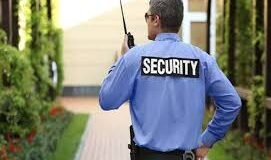
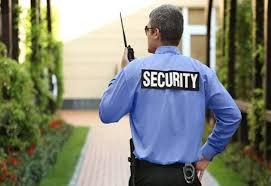
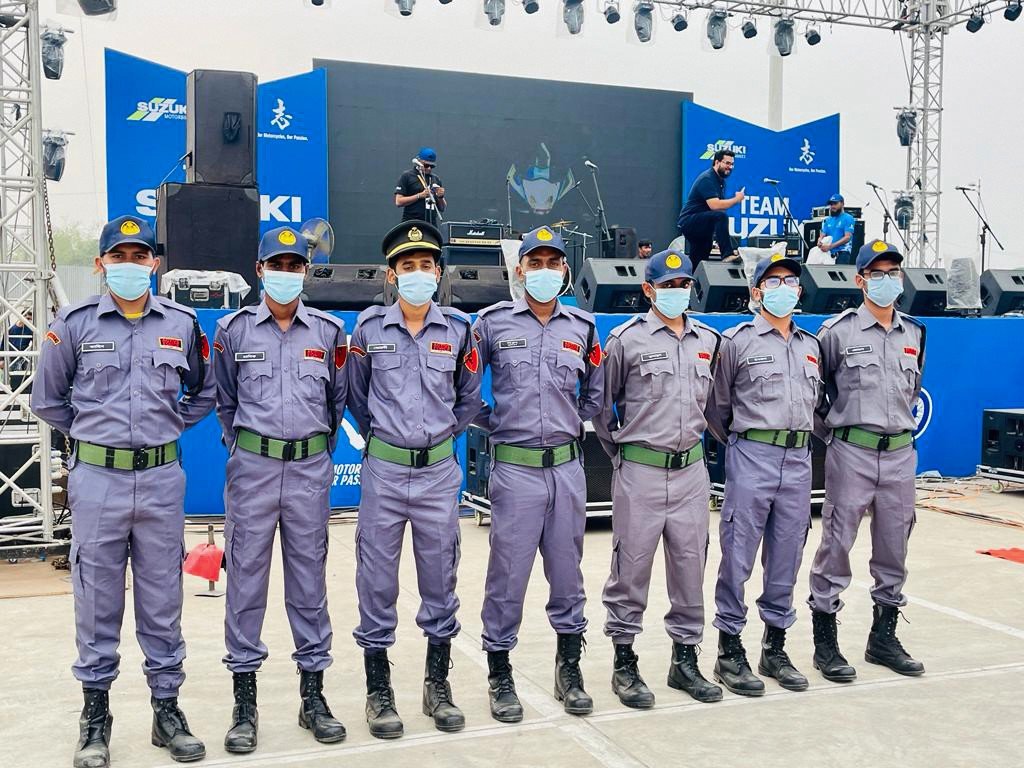
The choice to hire professional security guards adds a crucial human element to property security that technology alone cannot replicate. Well-trained security personnel provide active deterrence, immediate response capabilities, visitor management, and flexible adaptability to changing situations.
Security guard deployment models vary based on property requirements and budgets. Full-time dedicated guards provide 24/7 coverage ideal for high-value properties, commercial buildings, or large residential complexes. Rotating shift guards ensure fresh, alert personnel while managing costs. Part-time or night-only guards suit properties with specific vulnerability periods. Shared security arrangements work for smaller apartment buildings where costs are distributed among multiple units.
Selecting security service providers requires careful evaluation. Established security companies offer trained personnel, proper licensing, insurance coverage, and professional management. Verify company credentials, business registration, and compliance with Bangladesh security service regulations. Request references from current clients and check reputation through reviews or community networks. Ensure the company provides proper training, uniforms, equipment, and supervision for their guards.
Guard qualifications and training directly impact security effectiveness. Seek guards with formal security training, valid identification, and background verification. Essential skills include surveillance awareness, access control procedures, emergency response protocols, communication abilities, and conflict de-escalation. Guards should understand fire safety, medical emergency response, and coordination with law enforcement. Regular refresher training keeps skills current and introduces new security practices.
Clearly defined responsibilities prevent confusion and ensure comprehensive coverage. Document expectations including access point monitoring, visitor verification and logging, perimeter patrols at specified intervals, surveillance system monitoring, incident reporting procedures, emergency response protocols, and coordination with other security measures. Written job descriptions and operational procedures provide accountability and performance standards.
Effective supervision and management maximize guard performance. Regular site inspections ensure guards remain alert and follow procedures. Performance reviews, incident debriefings, and feedback sessions promote continuous improvement. Implementing guard tour systems or checkpoint verification mechanisms confirms patrol completion. Surprise inspections assess actual performance versus expected standards.
Compensation and retention affect security quality. Competitive wages, timely payments, proper benefits, and respectful treatment improve guard motivation and reduce turnover. High turnover creates security vulnerabilities through unfamiliarity with specific property needs and erosion of institutional knowledge. Investing in guard retention pays dividends through experienced, committed security personnel.
Technology integration enhances guard effectiveness. Provide guards with mobile phones or radios for communication. Integrate guard duties with CCTV monitoring, access control systems, and alarm responses. Some modern systems use guard management software to schedule shifts, log incidents, and track patrol completion.
Legal compliance protects property owners from liability. Ensure security providers maintain required licenses, carry appropriate insurance, and comply with labor regulations. Document guard assignments, incident reports, and any use of force according to legal standards. Clear protocols for handling trespassers, managing confrontations, and involving law enforcement prevent legal complications.
Professional security guards serve as the visible, adaptable frontline of property security, providing capabilities that complement technological systems while bringing human judgment, adaptability, and immediate response to security situations.
Secure Entry Points and Access Control
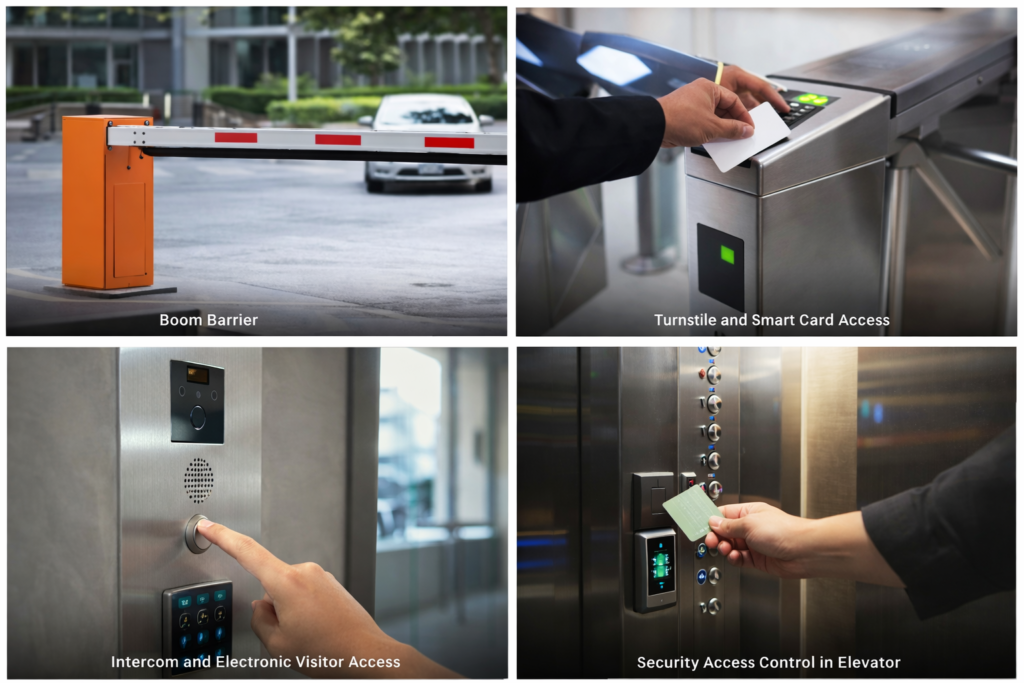
Efforts to secure entry points and access control form the critical foundation of physical property security, as controlling who enters and exits remains fundamental to protecting property and residents. Comprehensive access security combines physical barriers, locking mechanisms, and controlled entry systems.
Gate and perimeter security establishes the first line of defense. Solid gates with robust locking mechanisms prevent casual intrusion. Consider height—gates should extend sufficiently to prevent easy climbing, typically 6-8 feet minimum. Materials matter; steel gates offer superior strength compared to decorative but weaker alternatives. Automated gates with intercom systems allow verification before granting access. Sliding gates often provide better security than swing gates in limited spaces. Ensure gates integrate with walls or fencing without gaps that enable bypass.
Door security requires multiple layers of protection. Solid core doors resist forced entry better than hollow alternatives. Deadbolt locks provide superior security compared to spring-latch locks. Install strike plates with long screws penetrating door frames for enhanced resistance to kick-in attempts. Consider double-cylinder deadbolts for doors with glass panels to prevent access through broken glass. Reinforce doorframes to prevent spreading during forced entry attempts. Install door viewers or peepholes for visual verification before opening.
Window security addresses a commonly overlooked vulnerability. Ground-floor windows and those accessible from balconies, fire escapes, or nearby structures require particular attention. Window grilles or bars prevent entry while allowing ventilation and emergency egress when designed properly. Security film on glass increases shatter resistance and prevents easy penetration. Window locks beyond standard latches add security. Consider security shutters for particularly vulnerable windows. Balance security with emergency escape requirements, ensuring at least one window in each room allows emergency exit.
Access control systems bring modern technology to entry management. Electronic keycard systems eliminate traditional key management challenges and allow instant access revocation. Biometric systems using fingerprint or facial recognition provide personalized access with non-transferable credentials. Mobile app-based access control offers convenience and comprehensive access logging. Intercom systems with video capability enable visitor verification before granting entry. These systems work particularly well in apartment buildings, providing centralized control and detailed access records.
Visitor management procedures prevent unauthorized access through social engineering. Establish clear protocols for visitor verification, including confirmation with residents before granting access. Maintain visitor logs recording entry and exit times, purposes, and identification details. Issue temporary access credentials or visitor badges for identification within the property. Service personnel, delivery workers, and contractors should undergo verification procedures before access.
Service entrance security requires special attention as these access points often receive less scrutiny. Ensure service doors have security levels matching main entrances. Control and monitor service elevator access in buildings. Verify service personnel credentials and maintain records of service visits. Coordinate with residents when allowing service access to their specific units.
Key management remains critical even with electronic systems. Minimize key distribution, maintain records of issued keys and holders, use restricted key systems preventing unauthorized duplication, regularly rekey locks when keys are lost or residents change, and consider master key systems with careful control and documentation for multi-unit buildings.
Garage and parking security protects valuable assets and prevents unauthorized building access. Automated garage doors with rolling code technology prevent signal interception. Adequate lighting in parking areas enhances security and safety. Designated parking spots with resident identification prevent unauthorized use. Secure pedestrian access from parking areas to residences prevents circumventing main entry security.
Emergency access considerations balance security with safety requirements. Ensure emergency exits remain functional and monitored to prevent misuse. Knox boxes or similar systems allow emergency responder access without compromising general security. Coordinate with building management and fire safety officials to ensure security measures don’t impede emergency operations.
Comprehensive entry point security creates multiple barriers that deter opportunistic criminals, delay determined intruders, and provide residents with confidence that their property has robust physical protection.
Use Smart Home Security Technology
The adoption of smart home security technology revolutionizes property protection by integrating various security elements into cohesive, remotely manageable systems that offer unprecedented control, monitoring, and automation capabilities. Modern technology brings sophisticated security previously available only to commercial properties within reach of residential owners in Dhaka.
Smart security systems architecture connects multiple components through central hubs or cloud platforms. These integrated systems allow unified control through smartphone applications, enabling property monitoring and management from anywhere with internet connectivity. Integration eliminates the fragmentation of standalone security devices, providing comprehensive security oversight through single interfaces.
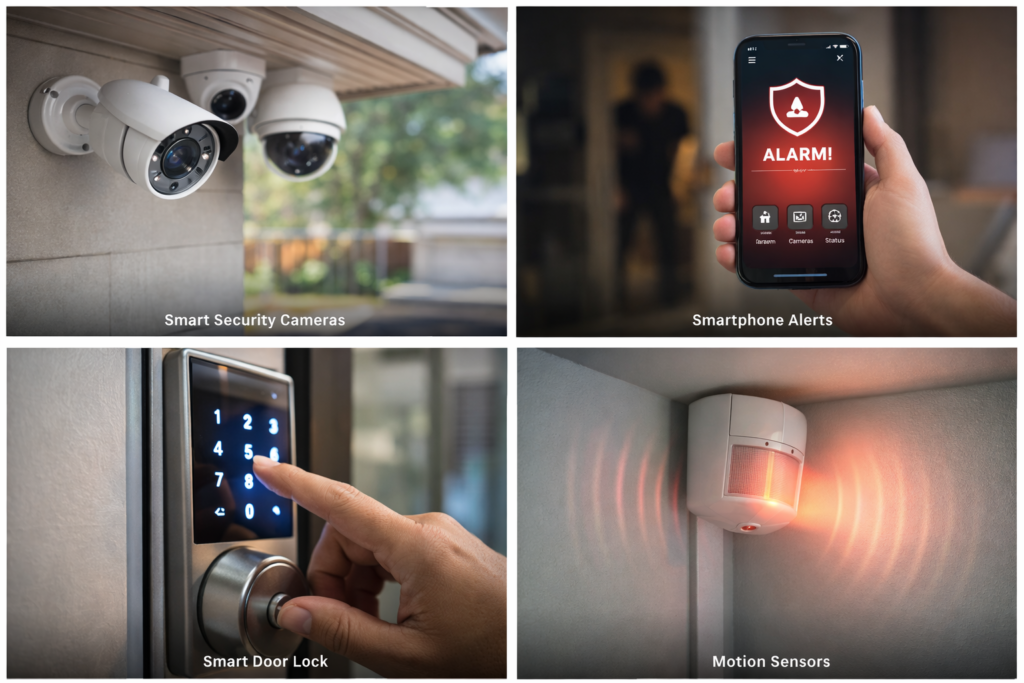
Smart door locks offer keyless entry through multiple methods including numeric codes, smartphone apps, biometric verification, or proximity sensors. Remote locking and unlocking capabilities allow access provision to service providers, guests, or family members without physical key distribution. Temporary access codes serve visitors with automatic expiration after specified periods. Activity logs record all entry and exit events with timestamps and user identification. Some advanced models integrate with video doorbells, allowing visual verification before remote unlocking.
Video doorbells combine visitor identification with remote communication capabilities. High-definition cameras capture clear images of visitors. Two-way audio allows conversation with visitors remotely. Motion detection triggers alerts when someone approaches the door. Cloud recording preserves visitor footage for later review. Integration with smartphones enables visitor management from anywhere. Night vision ensures functionality regardless of lighting conditions.
Smart sensors and alarms detect various security threats. Door and window sensors trigger alerts when opened unexpectedly. Motion sensors identify movement within protected areas. Glass break sensors detect window intrusion attempts. Water leak sensors prevent flood damage. Smoke and carbon monoxide detectors provide life safety protection. These sensors communicate wirelessly with central systems, providing real-time alerts to property owners and monitoring services.
Automated lighting systems enhance security through simulated occupancy and improved visibility. Schedule lights to create occupied appearance during absence. Motion-activated lights illuminate entry points and vulnerable areas when movement is detected. Remote light control allows response to security concerns from anywhere. Smart bulbs offer customization options including brightness adjustment and color changes. Integration with other security systems enables coordinated responses like activating all lights when alarms trigger.
Smart surveillance integration extends CCTV capabilities discussed earlier. Cloud storage provides off-site backup preventing evidence loss if recording equipment is damaged or stolen. Remote viewing through smartphones allows real-time monitoring from anywhere. Artificial intelligence features identify specific events like person detection, vehicle identification, or unusual activity patterns. Integration with smart speakers or displays allows voice-controlled camera viewing.
Environmental monitoring protects property beyond security threats. Smart thermostats detect unusual temperature changes suggesting HVAC issues. Humidity sensors identify moisture problems before they cause damage. Energy monitoring identifies unusual consumption patterns possibly indicating unauthorized occupancy. These features protect property value while providing security insights.
System reliability and backup ensure continued protection during infrastructure failures. Battery backup systems maintain security during power outages. Cellular backup connections preserve system communication when internet connections fail. Local storage options supplement cloud storage in case of connectivity issues. Redundant systems prevent single points of failure.
Privacy and cybersecurity require careful attention with smart systems. Use strong, unique passwords for all devices and accounts. Enable two-factor authentication wherever available. Keep firmware and software updated to patch security vulnerabilities. Segment smart home networks from primary internet networks using virtual LANs or separate routers. Review privacy policies understanding how manufacturers handle your data. Disable unnecessary features that collect data beyond security requirements.
Professional installation and configuration versus DIY approaches present similar considerations as discussed with CCTV systems. Professional setup ensures optimal configuration, proper network security, and comprehensive integration. However, many modern smart security products offer user-friendly installation for technically competent property owners.
Cost considerations vary widely based on system complexity. Basic smart lock and doorbell combinations offer affordable entry points. Comprehensive whole-property systems with multiple sensors, cameras, and automation require larger investments. Monthly subscription fees for cloud storage, monitoring services, or advanced features add ongoing costs. Balance capabilities against budgets while ensuring critical security functions receive priority.
Smart home security technology provides Dhaka property owners with sophisticated, manageable security systems that adapt to modern lifestyles, offering remote control, comprehensive monitoring, and intelligent automation previously unimaginable in residential contexts.
Build Community and Neighbor Awareness
The initiative to build community and neighbor awareness represents an often-underestimated security dimension that complements technological and physical measures through collective vigilance and mutual support. Strong community bonds create informal security networks that deter crime and enable rapid response to suspicious activities.
Neighborhood watch programs formalize community security cooperation. These programs organize residents to observe and report suspicious activities, share security information, and coordinate with local law enforcement. Establish regular meetings to discuss security concerns, share incident information, and plan collective responses. Create communication channels using messaging apps or social media groups for immediate incident reporting and alerts. Designate block captains or building representatives to coordinate activities and serve as liaisons with police.
Neighbor relationships build the foundation for mutual security support. Invest time in knowing neighbors personally—familiarity enables recognition of unusual activities and genuine concern for each other’s welfare. Exchange contact information for emergency situations. Inform trusted neighbors about your travel plans, requesting occasional property observation during absences. Reciprocate by offering the same assistance. These informal arrangements provide eyes on properties during vulnerable periods without formal security expenses.
Information sharing networks enhance collective security awareness. Share information about suspicious activities, attempted break-ins, or security concerns through established communication channels. Alert neighbors to new tactics or methods criminals might employ. Discuss effective security measures and share recommendations for reputable security service providers. Collective knowledge makes entire communities harder targets for criminals who rely on information asymmetry.
Visible community presence deters criminal activity. Residents who spend time in common areas, maintain property appearances, and demonstrate active neighborhood engagement signal strong community cohesion that criminals avoid. Encourage outdoor activities, neighborhood events, and common area usage that increase natural surveillance. Well-maintained properties, trimmed vegetation allowing clear sightlines, and adequate lighting contribute to this presence.
Building-wide security cooperation in apartment complexes requires coordination among residents. Attend building meetings addressing security concerns. Support security investments benefiting all residents. Comply with building security policies including visitor verification and access control procedures. Challenge unfamiliar individuals in common areas politely but firmly. Report security system malfunctions or guard performance issues to management promptly.
Coordinated vacation coverage prevents criminal exploitation of empty properties. Organize with neighbors to collect mail and newspapers, park vehicles in driveways, vary light timing, and maintain normal property appearance during absences. Trusted neighbors with spare keys can check properties periodically, water plants, or address emergencies. This informal network provides visible occupancy signals that deter opportunistic crimes.
Children and domestic staff awareness extends security consciousness throughout households. Educate children about not discussing family schedules, property details, or valuables with strangers. Train domestic workers in security protocols including visitor verification, lock procedures, and emergency responses. Clear communication about security expectations prevents inadvertent vulnerabilities.
Relationship with local law enforcement strengthens community security infrastructure. Invite police to community meetings to discuss area crime trends and security recommendations. Report all security incidents to police even if minor—this data helps law enforcement allocate resources and identify patterns. Request increased patrols in response to rising security concerns. Participate in police community engagement programs building mutual understanding and cooperation.
Balancing security with community openness prevents creating unwelcoming, fortress-like neighborhoods. Effective community security comes from mutual care and vigilance, not isolation and suspicion. Welcome new residents, include them in community networks, and share relevant security information. Maintain friendly relationships with service providers, delivery personnel, and others regularly visiting the area—these individuals often notice unusual activities and can contribute to security awareness.
Cultural sensitivity matters in Dhaka’s diverse neighborhoods. Respect privacy concerns while building security cooperation. Recognize that different communities may have varying comfort levels with surveillance, information sharing, or security protocols. Find approaches that honor cultural values while achieving security objectives.
Community and neighbor awareness transforms property security from individual responsibility to collective commitment, creating resilient security networks that benefit everyone while building social connections that enrich neighborhood life beyond security concerns.

Regular Security Checks and Maintenance
Commitment to regular security checks and maintenance ensures that implemented security measures remain effective over time rather than degrading into false security through neglect or complacency. Systematic assessment and upkeep prevent vulnerabilities from developing and keep security systems functioning optimally.
Scheduled security audits provide comprehensive system evaluation. Conduct thorough property security reviews quarterly or semi-annually. Examine all entry points testing locks, gates, windows, and access control systems. Verify CCTV coverage reviewing camera angles, recording quality, and storage functionality. Test alarm systems ensuring sensors trigger appropriately and notifications reach intended recipients. Evaluate perimeter security checking walls, fences, lighting, and vegetation that might create hiding spots or access opportunities.
Technology maintenance keeps electronic systems reliable. Update software and firmware on smart home devices, surveillance systems, and access control platforms addressing security vulnerabilities and adding features. Test remote access capabilities ensuring monitoring and control function properly. Verify backup systems including battery backups and alternative communication methods. Clean camera lenses maintaining clear visibility. Check recording storage capacity avoiding automatic deletion of evidence due to full drives.
Physical infrastructure inspection prevents deterioration compromising security. Examine locks for wear, difficulty operating, or damage requiring replacement. Check gates for proper closure, alignment issues, or hinge problems. Inspect walls and fences for cracks, holes, or structural weakness. Verify lighting systems replacing burnt bulbs promptly and ensuring adequate illumination of vulnerable areas. Test emergency lighting and exit systems.
Guard performance evaluation maintains human security element effectiveness. Conduct unannounced inspections verifying guards remain alert and follow procedures. Review guard logs and patrol records confirming consistent compliance. Interview guards about security observations and gather their insights about potential vulnerabilities. Provide feedback on performance addressing deficiencies promptly. Recognize excellent performance encouraging continued dedication.
Access credential management prevents unauthorized access through outdated permissions. Regularly review access control lists removing departed residents, former employees, or past service providers. Change lock codes or rekey locks after tenant turnover. Update smart lock access codes periodically even without specific security incidents. Maintain accurate records of who holds keys, access cards, or entry codes.
Vulnerability identification and remediation addresses emerging security gaps. Seasonal changes may create new vulnerabilities—monsoon vegetation growth obscures cameras or creates climbing opportunities, while dry season foliage loss exposes previously concealed entry points. Construction, renovations, or property modifications require security reassessment. New buildings or businesses in the area might change security dynamics requiring adaptation.
Emergency response testing validates procedures work during actual incidents. Conduct fire drills ensuring residents know evacuation routes and assembly points. Test emergency communication systems verifying contact information remains current and notification methods function properly. Review and update emergency contact lists for police, fire services, medical assistance, and building management. Practice coordination between security guards, residents, and emergency services.
Documentation and record keeping supports security management. Maintain logs of security incidents, maintenance activities, system updates, and audit findings. Document security investments for insurance purposes and property value assessment. Retain surveillance footage according to established policies. Keep warranty information and service provider contacts readily accessible.
Budget allocation ensures resources remain available for security maintenance. Set aside funds for routine maintenance, unexpected repairs, and periodic upgrades. Balance preventive maintenance investments against reactive repair costs—preventive approaches typically prove more cost-effective long-term. Plan for technology refresh cycles as equipment ages or becomes obsolete.
Security awareness refreshers keep security consciousness high among residents, family members, and staff. Periodically review and communicate security procedures. Update everyone on new threats, security enhancements, or procedural changes. Encourage ongoing vigilance rather than complacency as time passes without incidents.
Professional security consultations provide expert perspectives on security effectiveness. Engage security professionals periodically for independent assessments. Their fresh perspectives often identify vulnerabilities familiarity has made invisible to residents. They can recommend emerging security technologies or approaches applicable to specific property contexts.
Regular security checks and maintenance transform security from static installation to dynamic, adaptive system that evolves with changing threats, environmental conditions, and technological capabilities, ensuring continued effectiveness protecting property and residents.

Conclusion: Creating a Safe and Secure Property in Dhaka
Creating a safe and secure property in Dhaka requires comprehensive, multi-layered approaches combining physical security, technology, community engagement, and consistent maintenance. As this guide demonstrates, how to ensure you have the best property security in Dhaka involves strategic thinking, appropriate investment, and ongoing commitment rather than single solutions or one-time efforts.
Effective property security begins with understanding Dhaka’s specific security landscape—recognizing both general urban crime patterns and location-specific risks that influence vulnerability. This knowledge foundation enables informed decisions about security priorities and appropriate countermeasures. Choosing secure neighborhoods and buildings provides inherent security advantages that make subsequent enhancements more effective and potentially more affordable.
Technology plays increasingly important roles in modern property security. Installing CCTV cameras and surveillance systems provides both deterrent effects and investigative capabilities essential to comprehensive security strategies. Smart home security technology brings sophisticated, remotely manageable systems within reach of residential property owners, offering unprecedented control and monitoring capabilities. However, technology alone cannot address all security dimensions.
The human element remains crucial. Hiring professional security guards adds adaptive, responsive security capability that complements technological measures. Building community and neighbor awareness creates informal security networks through collective vigilance and mutual support that deter criminal activity while enriching social fabric. These human dimensions address security aspects beyond technology’s reach.
Physical security fundamentals cannot be neglected. Securing entry points and access control through robust gates, quality locks, window protection, and managed access systems establishes critical barriers between properties and potential threats. These physical elements form the foundation upon which technological and human security layers build.
Perhaps most importantly, regular security checks and maintenance ensure implemented measures remain effective over time. Security requires ongoing attention—systems degrade, technology becomes outdated, procedures grow lax, and new vulnerabilities emerge. Systematic assessment and maintenance prevent security erosion and adapt protection to evolving threats.
Property security investment should be viewed not as expense but as value creation. Well-secured properties provide residents with peace of mind, attract quality tenants, maintain or increase property values, and contribute to neighborhood stability. Security expenditures protect far larger investments in property assets while safeguarding irreplaceable aspects like personal safety and quality of life.
Implementing comprehensive security requires balancing multiple considerations. Budget constraints necessitate prioritizing measures addressing the most significant risks first while planning for gradual enhancement. Privacy concerns and quality of life considerations influence which security approaches suit specific contexts. Legal compliance and ethical considerations guide implementation ensuring security measures remain appropriate and lawful.
For property owners, renters, and managers in Dhaka, security should be approached systematically rather than reactively. Assess current security status honestly, identify vulnerabilities requiring attention, develop improvement plans prioritizing high-impact measures, and implement enhancements systematically while maintaining what already works. This methodical approach builds robust security infrastructure incrementally without requiring overwhelming initial investments.
Remember that perfect security remains impossible—determined, well-resourced adversaries can eventually breach any security. However, comprehensive, well-maintained security makes properties significantly harder targets, causing criminals to seek easier opportunities elsewhere. The goal is creating sufficient security that the effort, risk, and time required for breach exceed potential gains, causing rational criminals to move on.
As Dhaka continues growing and evolving, property security challenges and solutions will likewise develop. Stay informed about emerging security technologies, new threat patterns, and evolving best practices. Remain adaptable, willing to adjust security approaches as circumstances change. Engage with security professionals, community networks, and educational resources maintaining current knowledge.
Ultimately, creating safe and secure property in Dhaka reflects commitment to protecting what matters most—family, assets, peace of mind, and quality of life. By implementing the strategies, technologies, and practices outlined in this guide, property owners take control of their security rather than leaving it to chance. The investment of time, attention, and resources in comprehensive property security pays dividends through reduced risk, increased confidence, and enhanced property value, making it among the wisest investments property owners can make in Dhaka’s dynamic urban environment.