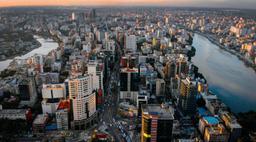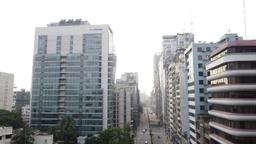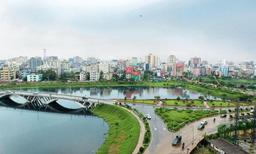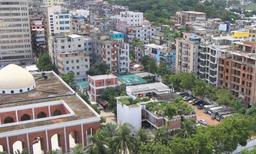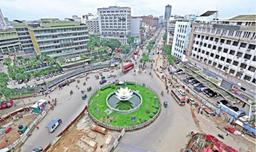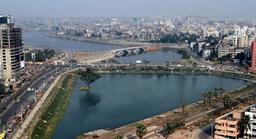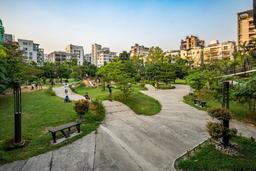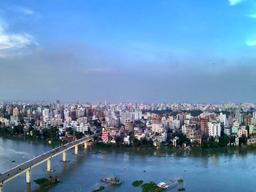
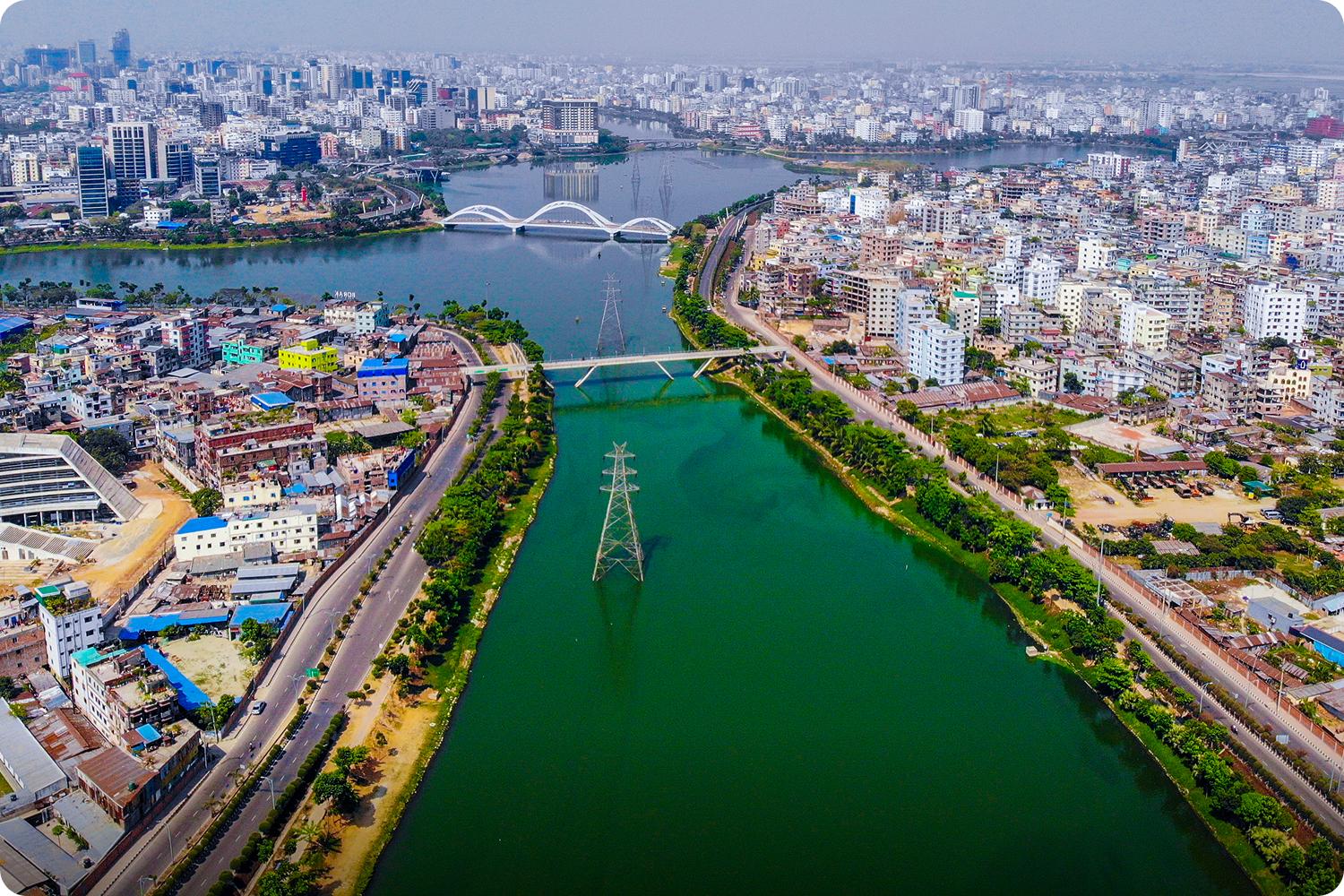
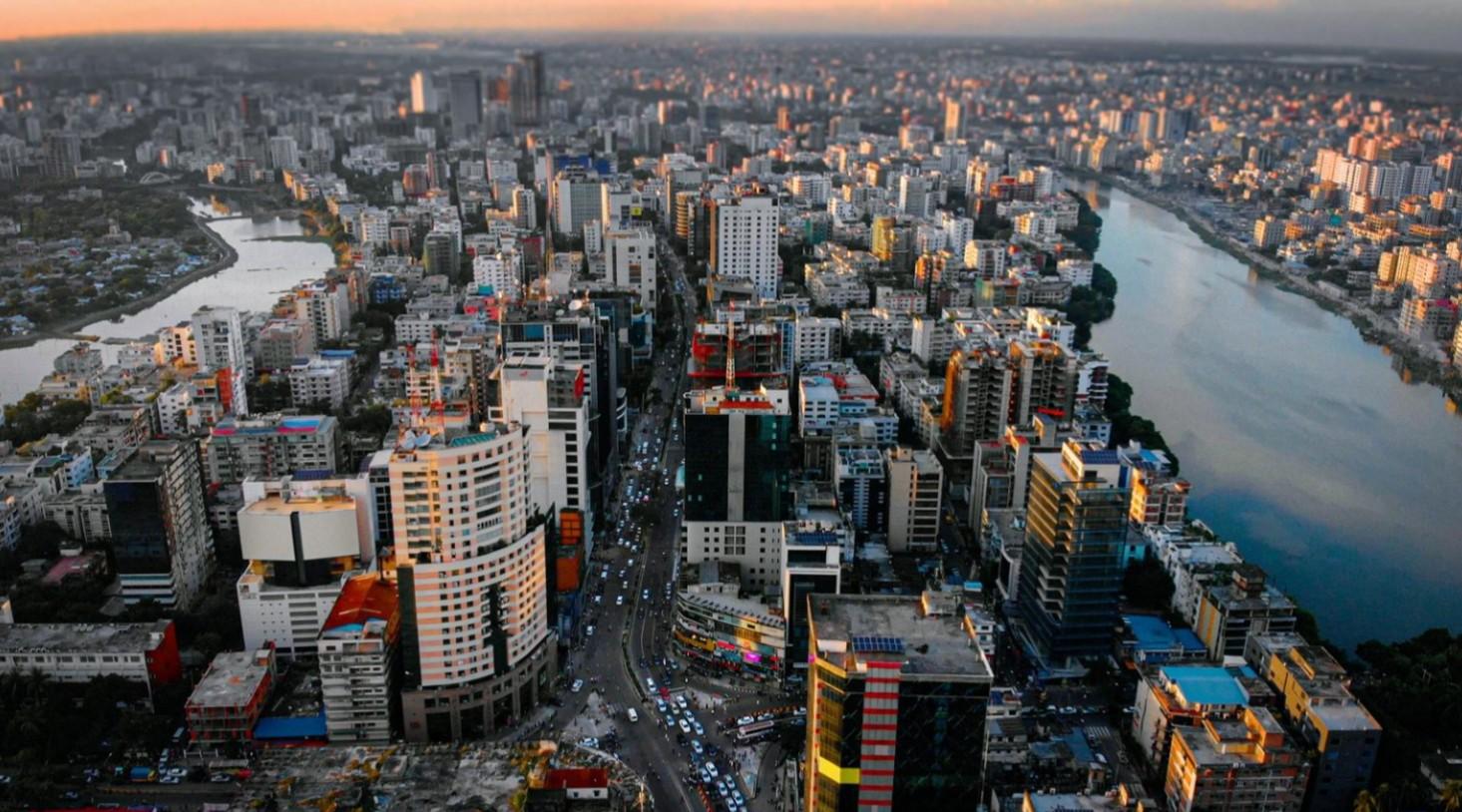
Bangladesh is experiencing a remarkable construction boom, with innovative trends shaping the future of its urban landscape and redefining infrastructure. In this article by Bproperty, we delve into Bangladesh’s Property Construction Boom and discuss the key trends shaping the future.
Overview of the Bangladesh Construction Boom
Bangladesh is witnessing a transformative period in its history, characterized by a significant construction boom that is reshaping its urban and rural landscapes. The rapid growth in construction activities is not just confined to the capital city of Dhaka but is also spreading to other metropolitan areas and smaller towns. This boom encompasses commercial buildings, residential complexes, highways, bridges, and mega infrastructure projects, reflecting the country’s ambition to elevate its economic status and improve living standards.
The construction sector in Bangladesh is bustling with activity, thanks to a combination of robust economic growth, increasing urbanization, and substantial investments from both public and private sectors. The government’s vision to turn Bangladesh into a middle-income country by 2021, and a developed nation by 2041, has set the stage for large-scale infrastructural development. As a result, the construction industry has become one of the fastest-growing sectors, contributing significantly to the national GDP and generating employment opportunities for millions.
Moreover, the construction boom in Bangladesh is also driven by the growing demand for modern housing and commercial spaces. With a burgeoning middle class and rising disposable income, there is an increasing appetite for quality living environments and state-of-the-art office buildings. This surge in demand has led to a flurry of construction activities, with developers and contractors racing to meet market needs while adopting new technologies and sustainable practices to stay competitive.
Key Drivers in Bangladesh’s Real Estate & Construction Sector
Several key factors are propelling the growth of the construction sector in Bangladesh, creating a fertile ground for innovative and large-scale development projects. One of the primary drivers is the country’s strong economic performance, which has seen consistent GDP growth over the past decade. This economic stability has boosted investor confidence, leading to increased investments in infrastructure and real estate development.
Another crucial factor is the rapid urbanization taking place across Bangladesh. As more people migrate to cities in search of better job opportunities and living conditions, the demand for housing, transportation, and public amenities has surged. Urbanization has spurred the need for new residential complexes, office buildings, shopping centers, and public infrastructure such as roads, bridges, and utilities. This urban growth necessitates continuous construction activities to accommodate the expanding population and enhance urban living standards.
Government initiatives and policies have also played a significant role in driving the construction boom. The implementation of various development plans, such as the Vision 2021 and the Delta Plan 2100, has prioritized infrastructure development as a key component of national progress. Additionally, the government has introduced incentives and regulatory reforms to attract both local and foreign investments in the construction sector. These measures include tax breaks, streamlined approval processes, and public-private partnership (PPP) models that encourage collaboration between the public and private sectors.
Emerging Trends in in Bangladesh’s Property Construction Sector
The construction industry in Bangladesh is experiencing a technological revolution, with several emerging trends transforming the way projects are planned, executed, and managed. One of the most significant trends is the adoption of Building Information Modelling (BIM). BIM is a digital representation of the physical and functional characteristics of a facility, enabling better visualization, coordination, and decision-making throughout the project lifecycle. By integrating BIM, construction companies can improve efficiency, reduce errors, and enhance collaboration among stakeholders.
Another noteworthy trend is the increasing use of prefabrication and modular construction techniques. These methods involve manufacturing building components in a controlled factory environment and then assembling them on-site. Prefabrication and modular construction offer numerous advantages, including faster construction times, reduced waste, and improved quality control. As the demand for rapid and cost-effective construction solutions grows, more developers in Bangladesh are embracing these innovative approaches.
The adoption of advanced construction materials is also shaping the future of the industry. High-performance concrete, smart glass, and sustainable building materials are gaining popularity for their durability, energy efficiency, and environmental benefits. For instance, the use of smart glass, which can change its properties based on external conditions, helps regulate indoor temperatures and reduce energy consumption. Similarly, high-performance concrete with enhanced strength and durability is being used in critical infrastructure projects to ensure longevity and resilience.
Sustainability has become a key focus in the construction industry, with an increasing emphasis on environmentally friendly and resource-efficient building practices. In Bangladesh, the push towards sustainable construction is driven by the need to mitigate the environmental impact of rapid urbanization and address the challenges posed by climate change. Developers and builders are now prioritizing green building certifications and incorporating sustainable design principles into their projects.
One of the prominent sustainable building practices is the use of energy-efficient systems and renewable energy sources. Solar panels, energy-efficient lighting, and HVAC systems are being integrated into new constructions to reduce energy consumption and lower carbon footprints. Additionally, rainwater harvesting systems and greywater recycling are being implemented to conserve water resources and promote sustainable water management.
The use of eco-friendly building materials is also gaining traction in Bangladesh. Materials such as bamboo, recycled steel, and fly ash concrete are being used for their low environmental impact and sustainability. Bamboo, for instance, is a renewable resource that grows quickly and has excellent strength properties, making it an ideal choice for construction. Recycled steel and fly ash concrete, on the other hand, help reduce waste and lower greenhouse gas emissions associated with traditional construction materials.
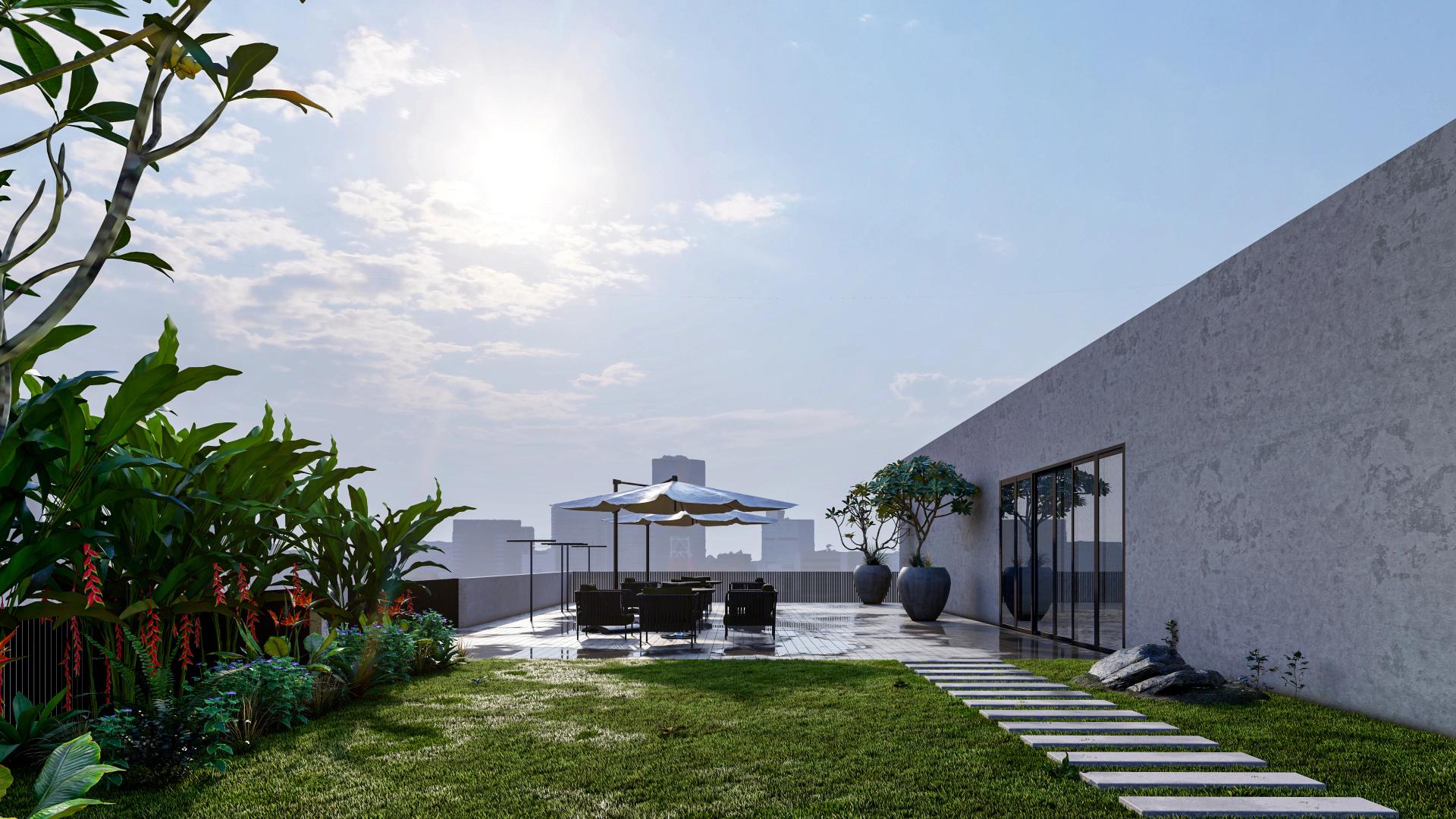
Green roofs and vertical gardens are another innovative sustainable practice being adopted in urban areas. These features not only enhance the aesthetic appeal of buildings but also provide insulation, reduce urban heat island effects, and improve air quality. By incorporating green roofs and vertical gardens, developers are contributing to the creation of healthier and more sustainable urban environments.
Government Policies and Their Impact on Construction
The government of Bangladesh has implemented several policies and initiatives to foster growth and development in the construction sector. These policies aim to create a conducive environment for investment, streamline regulatory processes, and promote sustainable practices. One of the key policies is the adoption of the Public-Private Partnership (PPP) model, which encourages collaboration between the public and private sectors to undertake large-scale infrastructure projects.
The government has also introduced tax incentives and subsidies to attract investments in the construction industry. These incentives include tax holidays, reduced import duties on construction machinery and materials, and subsidies for green building projects. By offering these financial benefits, the government aims to lower the cost of construction and make it more attractive for investors and developers.
Regulatory reforms have also played a significant role in boosting the construction sector. The introduction of streamlined approval processes has reduced bureaucratic hurdles and accelerated project timelines. Additionally, the establishment of special economic zones (SEZs) and industrial parks has provided dedicated spaces for industrial and commercial development, further stimulating construction activities. These SEZs offer various incentives, such as tax exemptions and simplified regulations, to attract both local and foreign investors.
The Role of Foreign Investment in Construction Projects
Foreign investment has been a crucial driver of growth in Bangladesh’s construction sector, bringing in capital, expertise, and advanced technologies. Several international companies and investors have recognized the potential of the Bangladesh market and have committed significant resources to various construction projects. These investments have not only accelerated the pace of development but have also introduced global best practices and standards to the local construction industry.
One of the major areas where foreign investment has made a significant impact is in the development of mega infrastructure projects. Projects such as the Padma Bridge, Dhaka Metro Rail, and various power plants have received substantial funding and technical support from international investors and organizations. These projects are critical for improving connectivity, reducing transportation costs, and ensuring a reliable supply of energy, all of which are essential for sustained economic growth.
In addition to infrastructure projects, foreign investment has also been instrumental in the development of residential and commercial real estate. International developers and construction firms have brought in innovative design concepts, advanced construction techniques, and high-quality materials, raising the standards of construction in Bangladesh. This influx of foreign expertise has not only enhanced the quality of new developments but has also fostered a culture of innovation and excellence within the local construction industry.
Challenges Facing the Construction Industry
Despite the remarkable growth and progress, the construction industry in Bangladesh faces several challenges that need to be addressed to ensure sustainable development. One of the primary challenges is the shortage of skilled labour. The rapid pace of construction has outstripped the supply of trained workers, leading to a reliance on unskilled labour. This skills gap affects the quality and efficiency of construction projects and highlights the need for comprehensive training and capacity-building programs.
Another significant challenge is the lack of modern infrastructure and logistical support. Many construction sites face difficulties in accessing quality materials, machinery, and equipment, which can delay project timelines and increase costs. The development of a robust supply chain and the establishment of modern logistics facilities are essential to overcome these challenges and support the continued growth of the construction sector.
Regulatory and bureaucratic hurdles also pose challenges to the construction industry. Despite recent reforms, developers and contractors often face delays in obtaining necessary permits and approvals. These bureaucratic bottlenecks can slow down project implementation and increase costs. Streamlining regulatory processes and ensuring transparency and accountability are crucial for creating a more efficient and investor-friendly environment.
The Future of Urban Development in Bangladesh
The future of urban development in Bangladesh is poised for significant transformation, driven by the ongoing construction boom and the adoption of smart city concepts. As cities continue to grow and evolve, there is a growing emphasis on creating sustainable, liveable, and resilient urban environments. The integration of technology, innovation, and sustainable practices will play a crucial role in shaping the future of urban development in the country.
One of the key trends shaping the future of urban development is the concept of smart cities. Smart cities leverage technology and data analytics to enhance urban living, improve infrastructure, and optimize resource management. In Bangladesh, initiatives such as the Digital Bangladesh Vision are laying the foundation for the development of smart cities. These initiatives focus on improving connectivity, implementing intelligent transportation systems, and enhancing public services through digital platforms.
Another important aspect of future urban development is the emphasis on mixed-use developments and transit-oriented development (TOD). Mixed-use developments combine residential, commercial, and recreational spaces within a single project, promoting walkability and reducing the need for long commutes. TOD focuses on creating high-density, mixed-use communities centred around public transportation hubs. These approaches not only enhance the efficiency of urban spaces but also contribute to reducing traffic congestion and environmental impact.
Sustainable urban planning and green infrastructure will also be integral to the future of urban development in Bangladesh. The incorporation of green spaces, energy-efficient buildings, and sustainable transportation systems will be essential to create healthier and more resilient cities. By prioritizing sustainability and resilience, urban development can address the challenges of climate change, resource scarcity, and population growth, ensuring a high quality of life for future generations.
Case Studies of Successful Construction Projects
Several construction projects in Bangladesh stand out as exemplary models of innovation, efficiency, and sustainability. These case studies highlight the potential of the construction sector to drive economic growth and improve living standards while adopting best practices and cutting-edge technologies.
One notable project is the Padma Bridge, a multipurpose road-rail bridge over the Padma River. The Padma Bridge is one of the largest infrastructure projects in Bangladesh and is expected to significantly improve connectivity between the southwestern region and the rest of the country. The bridge will reduce travel time, boost trade and commerce, and enhance regional development. The project has been a testament to engineering excellence and international collaboration, with contributions from various countries and organizations.
Another successful project is the Bashundhara City Complex in Dhaka, one of the largest shopping malls in South Asia. The complex features a mix of retail, entertainment, and commercial spaces, attracting millions of visitors each year. Bashundhara City has set a benchmark for modern retail development in Bangladesh, with its state-of-the-art design, advanced construction techniques, and focus on customer experience. The project has not only boosted the retail sector but has also created numerous job opportunities and contributed to the local economy.
The Rooppur Nuclear Power Plant is another significant project that showcases the potential of foreign investment and technological advancement. The power plant, being developed with Russian assistance, is expected to meet a substantial portion of the country’s energy needs and reduce reliance on fossil fuels. The project involves the use of advanced nuclear technology and stringent safety measures, ensuring a reliable and sustainable energy supply for Bangladesh. The Rooppur Nuclear Power Plant represents a significant step towards achieving energy security and supporting the country’s industrial and economic growth.
Conclusion: The Road Ahead for Bangladesh’s Construction Industry
The construction boom in Bangladesh is a testament to the country’s ambition and determination to achieve rapid economic growth and development. The trends and innovations shaping the construction sector are paving the way for a more modern, sustainable, and resilient urban landscape. As the industry continues to evolve, it will be essential to address the challenges of skilled labour shortages, regulatory bottlenecks, and infrastructure deficiencies to ensure sustained progress.
Government policies and foreign investments will play a crucial role in driving the future of the construction sector. By fostering a conducive environment for investment, promoting sustainable practices, and encouraging technological advancements, Bangladesh can continue to attract both local and international investors. Collaboration between the public and private sectors will be key to undertaking large-scale infrastructure projects and achieving the country’s development goals.
The future of urban development in Bangladesh looks promising, with the potential to transform cities into smart, sustainable, and liveable spaces. By embracing innovative construction technologies, sustainable building practices, and forward-thinking urban planning, Bangladesh can create a high quality of life for its citizens and position itself as a leader in sustainable development. The road ahead for the construction industry is filled with opportunities and challenges, but with the right strategies and investments, Bangladesh can achieve its vision of a prosperous and developed nation.
Seeking the best flats for sale in Dhaka? Bproperty is your trusted online real estate company of Bangladesh and offers you exclusive access to the premium flats for sale in Dhaka.