


Bproperty – Trusted Property Advisors

How Proptech is Disrupting Bangladesh’s Real Estate Sector 

As the world embraces technological advancement, Bangladesh’s real estate sector is undergoing a transformative shift driven by Proptech. This integration of technology with property management is not just a trend; it’s a revolution reshaping how we buy, sell, and manage real estate.

From streamlined transactions to virtual property tours and data analytics, Proptech is making real estate more accessible and efficient than ever before. Property seekers can now explore options from the comfort of their homes, while developers leverage innovative solutions to streamline operations and enhance customer satisfaction.

This article by BProp delves into the unique ways Proptech is unlocking opportunities in Bangladesh’s real estate landscape, empowering agents and buyers alike. Join us as we explore the impact of these technological advancements on real estate, highlighting the future possibilities that are just around the corner. The journey towards a smarter, more connected real estate market in Bangladesh has begun—are you ready to embrace it?

Current State of the Real Estate Market in Bangladesh

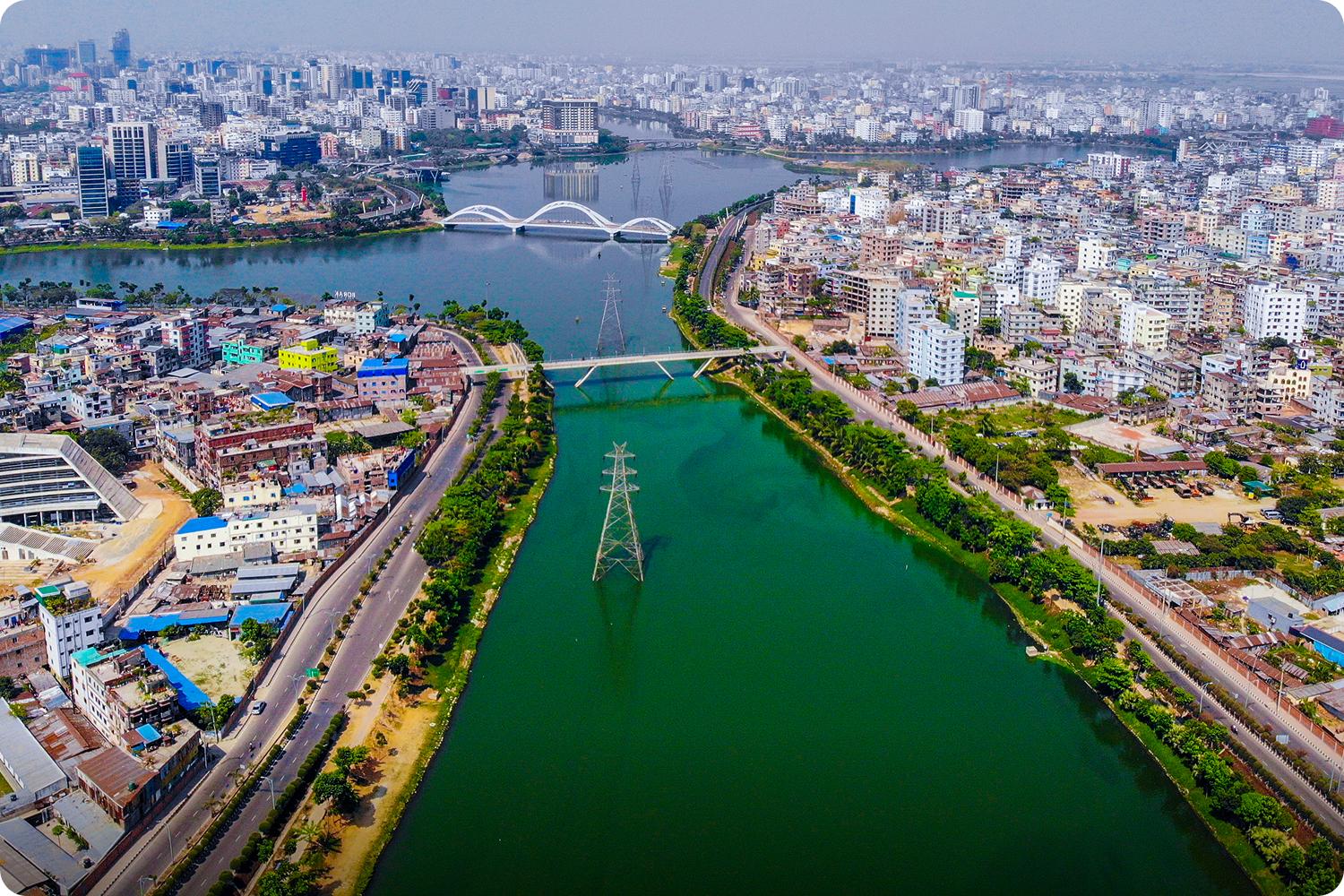
As one of the fastest-growing economies in South Asia, Bangladesh’s real estate market has seen exponential growth over the past decade. Urbanization, population growth, and a rising middle class have driven demand for residential and commercial properties. Major cities like Dhaka and Chittagong have experienced rapid development, resulting in a construction boom.

However, this growth has also brought challenges such as unplanned urban sprawl, inadequate infrastructure, and regulatory hurdles. These issues have created a complex environment for real estate transactions, often characterized by inefficiencies and lack of transparency.

Traditionally, the real estate market in Bangladesh has been dominated by informal practices and manual processes. Property transactions typically involve multiple intermediaries, lengthy paperwork, and significant time investment. Buyers and sellers often rely on word-of-mouth referrals and personal networks to find suitable properties or clients. This traditional approach has limited the accessibility and efficiency of the market, making it difficult for stakeholders to make informed decisions. Additionally, the lack of standardized data and market insights has hindered the ability of developers and investors to accurately assess market trends and opportunities.

Despite these challenges, the real estate sector remains a vital component of Bangladesh’s economy, contributing significantly to GDP and employment. The demand for housing and commercial spaces continues to grow, driven by urbanization and economic development. As the country moves towards a more digital economy, there is a growing recognition of the need for technological innovation to address the inefficiencies and challenges of the real estate market. This is where Proptech, or property technology, comes into play, offering transformative solutions that have the potential to revolutionize the industry.

Key Technologies Driving Proptech Innovations

Proptech encompasses a wide range of technologies that are reshaping the real estate landscape. One of the most impactful innovations is the use of digital platforms for property listings and transactions. Online real estate portals and mobile applications have made it easier for buyers and sellers to connect, providing access to a vast database of property listings, complete with detailed descriptions, photos, and virtual tours. These platforms have significantly reduced the time and effort required to find and evaluate properties, making the process more efficient and user-friendly.

Another key technology driving Proptech innovations is data analytics. By harnessing the power of big data and artificial intelligence (AI), real estate stakeholders can gain valuable insights into market trends, property values, and consumer preferences. Predictive analytics can help developers and investors make more informed decisions about where to invest and what types of properties to develop. For example, AI algorithms can analyze historical data and current market conditions to forecast future demand for residential or commercial spaces in specific areas. This data-driven approach enables more strategic planning and reduces the risk of investment.

Virtual reality (VR) and augmented reality (AR) are also transforming the real estate experience. VR allows potential buyers to take immersive virtual tours of properties from the comfort of their homes, eliminating the need for physical visits. AR can enhance the viewing experience by overlaying digital information onto the physical environment, such as displaying property details or visualizing interior design options. These technologies not only enhance the user experience but also save time and resources for both buyers and sellers. Additionally, blockchain technology is being explored for its potential to streamline property transactions and enhance security. By providing a decentralized and transparent ledger of property records, blockchain can reduce fraud and ensure the integrity of property ownership.

Benefits of Proptech for Real Estate Stakeholders

The integration of Proptech into the real estate market offers numerous benefits for various stakeholders, including buyers, sellers, developers, and investors. For buyers, Proptech provides greater accessibility and convenience. Online platforms and mobile apps enable buyers to browse a wide range of properties, compare prices, and access detailed information from anywhere at any time. Virtual tours and AR tools enhance the property viewing experience, allowing buyers to make more informed decisions without the need for multiple physical visits. This not only saves time but also reduces the stress and cost associated with property hunting.

For sellers and real estate agents, Proptech offers powerful tools to market properties more effectively and reach a larger audience. Digital platforms provide a cost-effective way to list properties and attract potential buyers. Advanced analytics and AI-driven marketing tools can help sellers target the right audience and optimize their marketing strategies. Additionally, digital transaction platforms streamline the sales process, reducing the time and effort required to complete a sale. This results in faster transactions and higher customer satisfaction.

Developers and investors also stand to benefit significantly from Proptech innovations. Data analytics and predictive modelling enable developers to make more informed decisions about where to build and what types of properties to develop. This reduces the risk of overbuilding or investing in the wrong locations. Proptech solutions can also enhance project management and construction processes, improve efficiency and reducing costs. For investors, Proptech provides greater transparency and access to market insights, enabling more strategic investment decisions. Overall, the adoption of Proptech is driving a more efficient, transparent, and customer-centric real estate market in Bangladesh.

Examples of Successful Proptech Implementations in Bangladesh

Several Proptech companies and initiatives have emerged in Bangladesh, demonstrating the transformative impact of technology on the real estate sector. One notable example is BProp, an online real estate marketplace that has revolutionized property buying and selling in the country. Bprop offers a comprehensive platform where users can search for properties, view detailed listings, and take virtual tours. The platform also provides market insights and data analytics to help buyers and sellers make informed decisions. BProp’s success has highlighted the potential of digital platforms to enhance accessibility and efficiency in the real estate market.

Another successful implementation of Proptech in Bangladesh is the use of blockchain technology for property transactions. Companies like RealiTech are exploring blockchain solutions to create a transparent and secure property transaction process. By leveraging blockchain, RealiTech aims to eliminate the risk of fraud and ensure the integrity of property records. This technology provides a decentralized ledger that records every transaction, making it nearly impossible to alter or tamper with property data. The adoption of blockchain for property transactions in Bangladesh is still in its early stages, but it holds great promise for enhancing security and trust in the real estate market.

In addition to digital platforms and blockchain, the use of AI and data analytics is gaining traction in the Bangladeshi real estate sector. Companies like DataBird are utilizing AI-powered analytics to provide market insights and predictive modelling for developers and investors. DataBird’s platform analyzes historical data and current market trends to forecast future demand and property values. This data-driven approach enables more strategic decision-making and reduces the risk of investment. By harnessing the power of AI and big data, DataBird is helping to create a more informed and efficient real estate market in Bangladesh.

Challenges Facing the Adoption of Proptech

Despite the numerous benefits and successful implementations of Proptech, there are several challenges facing its widespread adoption in Bangladesh. One of the primary challenges is the lack of digital infrastructure and internet penetration in certain areas. While major cities like Dhaka and Chittagong have relatively high internet access, rural and remote areas still face connectivity issues. This digital divide limits the reach and effectiveness of Proptech solutions, making it difficult for stakeholders in less connected regions to benefit from technological advancements.

Another significant challenge is the resistance to change and lack of awareness among traditional real estate stakeholders. Many real estate agents, developers, and investors are accustomed to conventional methods and may be hesitant to adopt new technologies. This resistance to change can hinder the adoption of Proptech solutions and slow down the transformation of the real estate market. Additionally, there is often a lack of understanding about the potential benefits and applications of Proptech, leading to scepticism and reluctance to invest in these technologies.

Regulatory and legal challenges also pose barriers to the adoption of Proptech in Bangladesh. The real estate sector is heavily regulated, and existing laws and regulations may not be equipped to accommodate new technologies. For example, blockchain-based property transactions require legal recognition and regulatory frameworks to ensure their validity and enforceability. The lack of clear guidelines and regulations for Proptech solutions can create uncertainty and hinder their implementation. Addressing these regulatory challenges and creating a supportive legal framework is crucial for the successful adoption of Proptech in the Bangladeshi real estate market.

The Role of Government Regulations in Proptech Growth

Government regulations play a critical role in shaping the growth and adoption of Proptech in Bangladesh. A supportive regulatory environment can facilitate the implementation of new technologies and ensure their alignment with existing legal frameworks. One of the key areas where government intervention is needed is in the development of digital infrastructure. By investing in broadband connectivity and expanding internet access to rural and remote areas, the government can bridge the digital divide and enable more stakeholders to benefit from Proptech solutions.

Another important aspect is the creation of regulatory frameworks that accommodate new technologies like blockchain and AI. The government can work with industry stakeholders to develop guidelines and standards for the use of these technologies in real estate transactions. For example, legal recognition of blockchain-based property records and transactions can enhance security and transparency in the market. Clear regulations and standards can also provide assurance to stakeholders and encourage the adoption of innovative solutions.

In addition to regulatory support, the government can play a proactive role in promoting awareness and education about Proptech. Initiatives such as workshops, training programs, and public awareness campaigns can help real estate stakeholders understand the potential benefits and applications of Proptech. By fostering a culture of innovation and encouraging the adoption of new technologies, the government can drive the transformation of the real estate market. Collaboration between the public and private sectors is essential to create a conducive environment for Proptech growth and unlock the full potential of technology in the real estate sector.

Trends in Proptech for the Bangladesh’s Property Market

As the Proptech landscape continues to evolve, several future trends are expected to shape the real estate market in Bangladesh. One of the most significant trends is the increasing use of AI and machine learning to enhance property management and customer experience. AI-powered chatbots and virtual assistants can provide personalized assistance to buyers and sellers, answering queries and guiding them through the property search and transaction process. Machine learning algorithms can also analyze user behavior and preferences to recommend properties that match their needs.

Another emerging trend is the integration of Internet of Things (IoT) devices in property management. IoT devices such as smart sensors and connected appliances can monitor and manage various aspects of a property, including energy usage, security, and maintenance. For example, smart thermostats can optimize energy consumption, while security cameras and sensors can provide real-time monitoring and alerts. IoT-enabled properties offer enhanced convenience, efficiency, and security for residents and property managers.

Sustainability and green building practices are also expected to gain prominence in the Bangladeshi real estate market. Proptech solutions can support sustainable development by providing data and analytics for energy-efficient building design and construction. Technologies such as energy management systems and smart grids can optimize energy usage and reduce the environmental impact of buildings. As awareness of environmental issues grows, there will be a greater emphasis on sustainable and eco-friendly real estate practices, supported by innovative Proptech solutions.

How to Get Involved in the Proptech Ecosystem

For those interested in getting involved in the Proptech ecosystem in Bangladesh, there are several avenues to explore. Entrepreneurs and startups can leverage the growing demand for Proptech solutions by developing innovative products and services that address the unique challenges of the local market. This could include creating digital platforms for property listings, developing AI-powered analytics tools, or exploring blockchain applications for property transactions. By identifying gaps and opportunities in the market, entrepreneurs can contribute to the transformation of the real estate sector.

Real estate professionals and investors can also play a role in the Proptech ecosystem by adopting and promoting new technologies. By staying informed about the latest trends and innovations in Proptech, stakeholders can make more informed decisions and enhance their operations. Collaborating with Proptech startups and technology providers can provide access to cutting-edge solutions and drive the adoption of new technologies. Additionally, participating in industry events, conferences, and networking opportunities can help stakeholders stay connected and engaged with the Proptech community.

Educational institutions and training organizations can contribute to the growth of the Proptech ecosystem by offering courses and programs focused on real estate technology. By equipping students and professionals with the knowledge and skills needed to navigate the digital transformation of the real estate sector, these institutions can support the development of a skilled workforce. Research and development initiatives can also drive innovation and create new opportunities for Proptech solutions. Overall, collaboration and engagement across various sectors are essential to the growth and success of the Proptech ecosystem in Bangladesh.

Conclusion

The integration of Proptech in Bangladesh’s real estate market is not just a trend; it is a transformative journey towards a smarter, more efficient, and more transparent industry. As technological advancements continue to reshape the way we buy, sell, and manage properties, the potential for growth and innovation in the real estate sector is immense. From digital platforms and data analytics to AI and blockchain, Proptech solutions are unlocking new opportunities and addressing longstanding challenges in the market.

However, the successful adoption of Proptech requires collaboration and support from various stakeholders, including the government, industry professionals, and technology providers. By creating a conducive regulatory environment, promoting awareness and education, and investing in digital infrastructure, the government can play a pivotal role in driving the growth of Proptech. Industry stakeholders must also embrace change and leverage new technologies to enhance their operations and provide better services to customers.

As we look to the future, the continued evolution of Proptech will bring about even more exciting developments and possibilities for the real estate market in Bangladesh. By staying informed and engaged with the latest trends and innovations, stakeholders can navigate the digital transformation and unlock the full potential of technology in the real estate sector. The journey towards a smarter, more connected real estate market in Bangladesh has begun—are you ready to embrace it?